
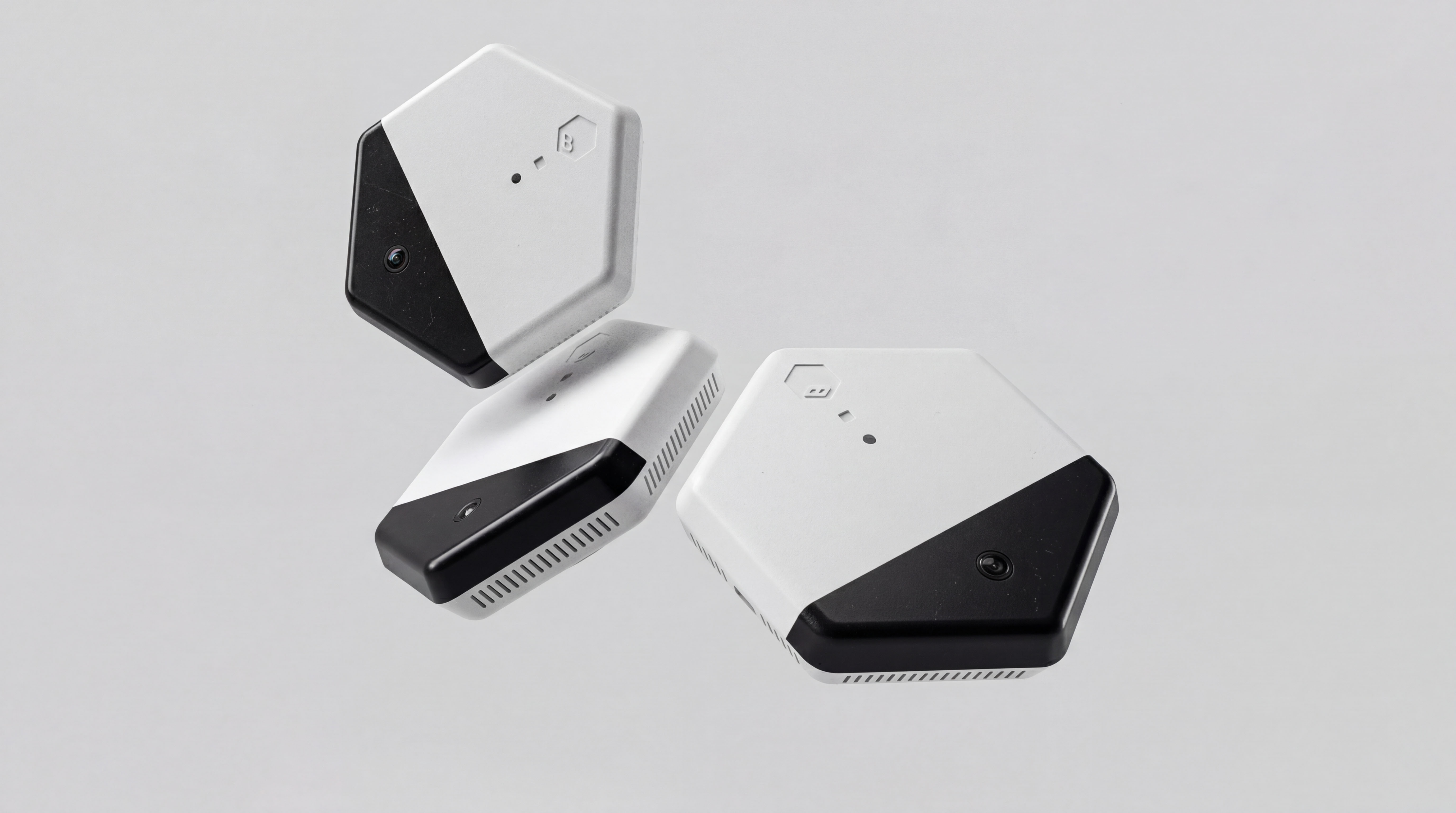
Client: Beringar
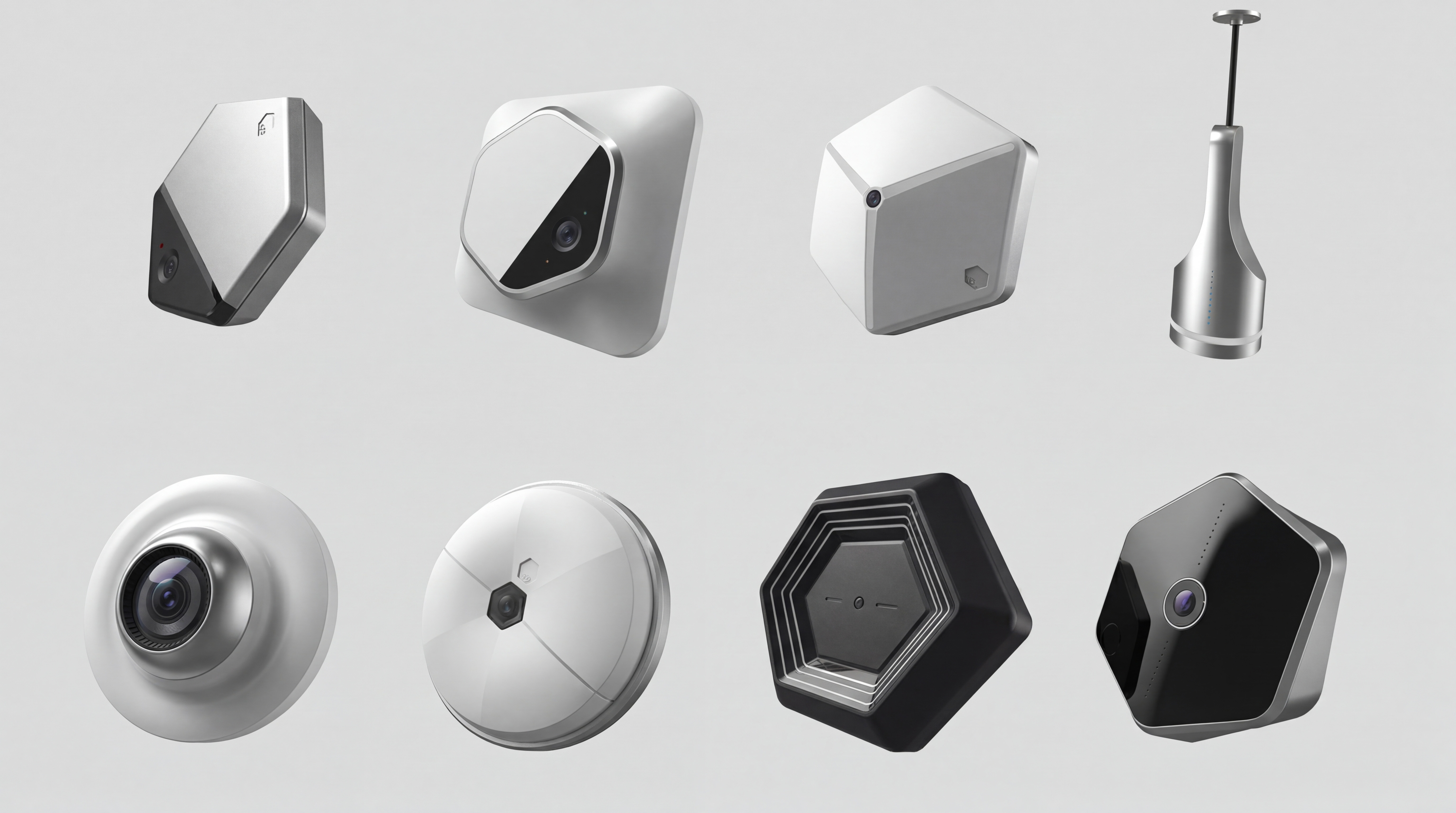
Hot rooms, cold corners, desks sitting empty while meeting rooms stay perpetually booked. Real estate is one of the largest costs on any balance sheet, yet decisions about space still come from walkabouts and gut feel.
Beringar wanted organisations to see what was actually happening. Their vision: a compact, modular sensor that could quietly read how a building behaves and turn that into clear, usable insight.
Not another survey or study.
A quiet witness to how space is used.
By the time the report lands, working patterns have already shifted.
Early prototypes, developed with CENSIS, proved that a single IoT sensor could capture multiple data points and transmit them over long-range radio to a central platform. Reliable, simple to mount, easy to maintain, the case was there for moving from occasional studies to a constant feedback loop.
Space planning does not need more opinion.
It needs a steady stream of facts.
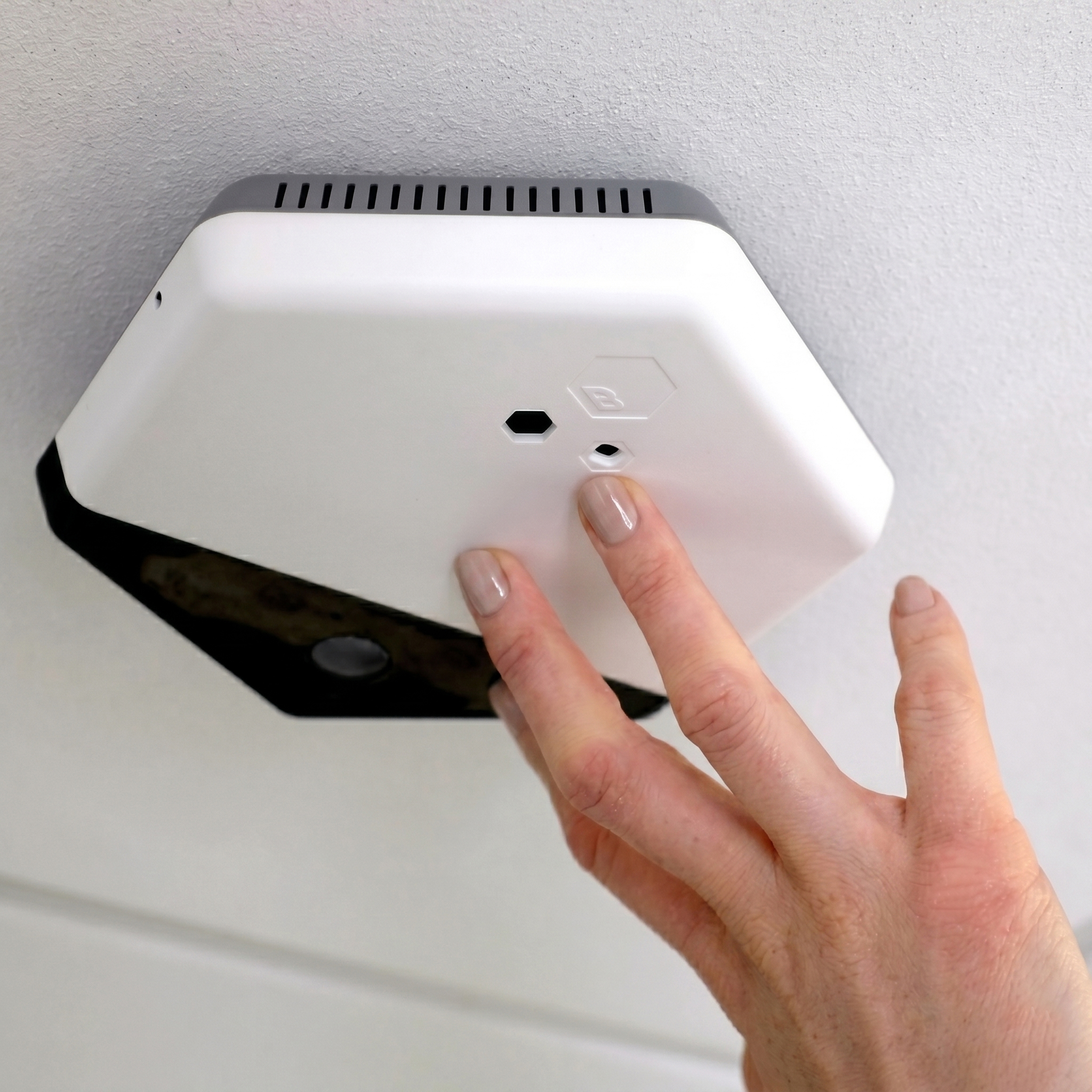
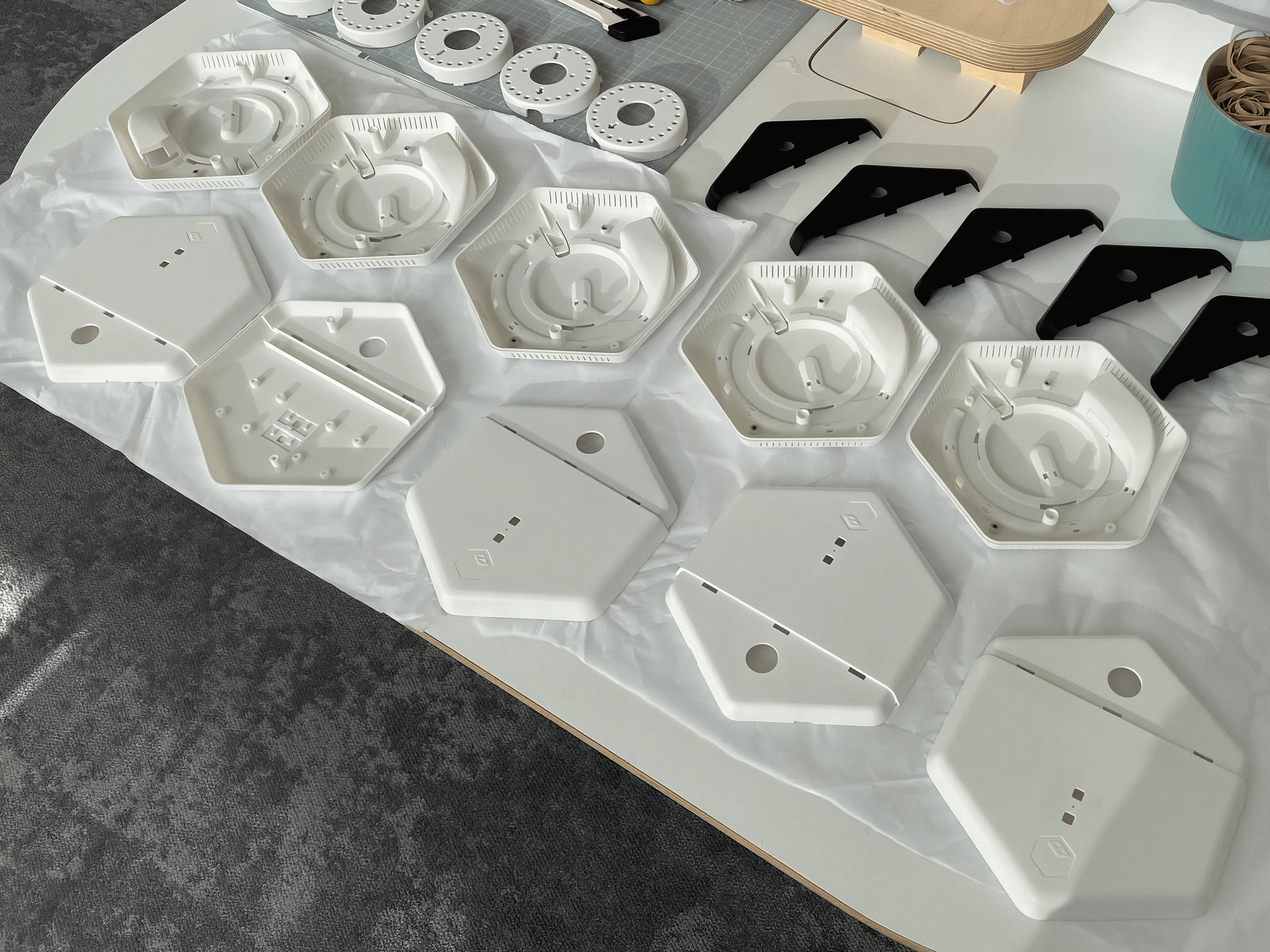
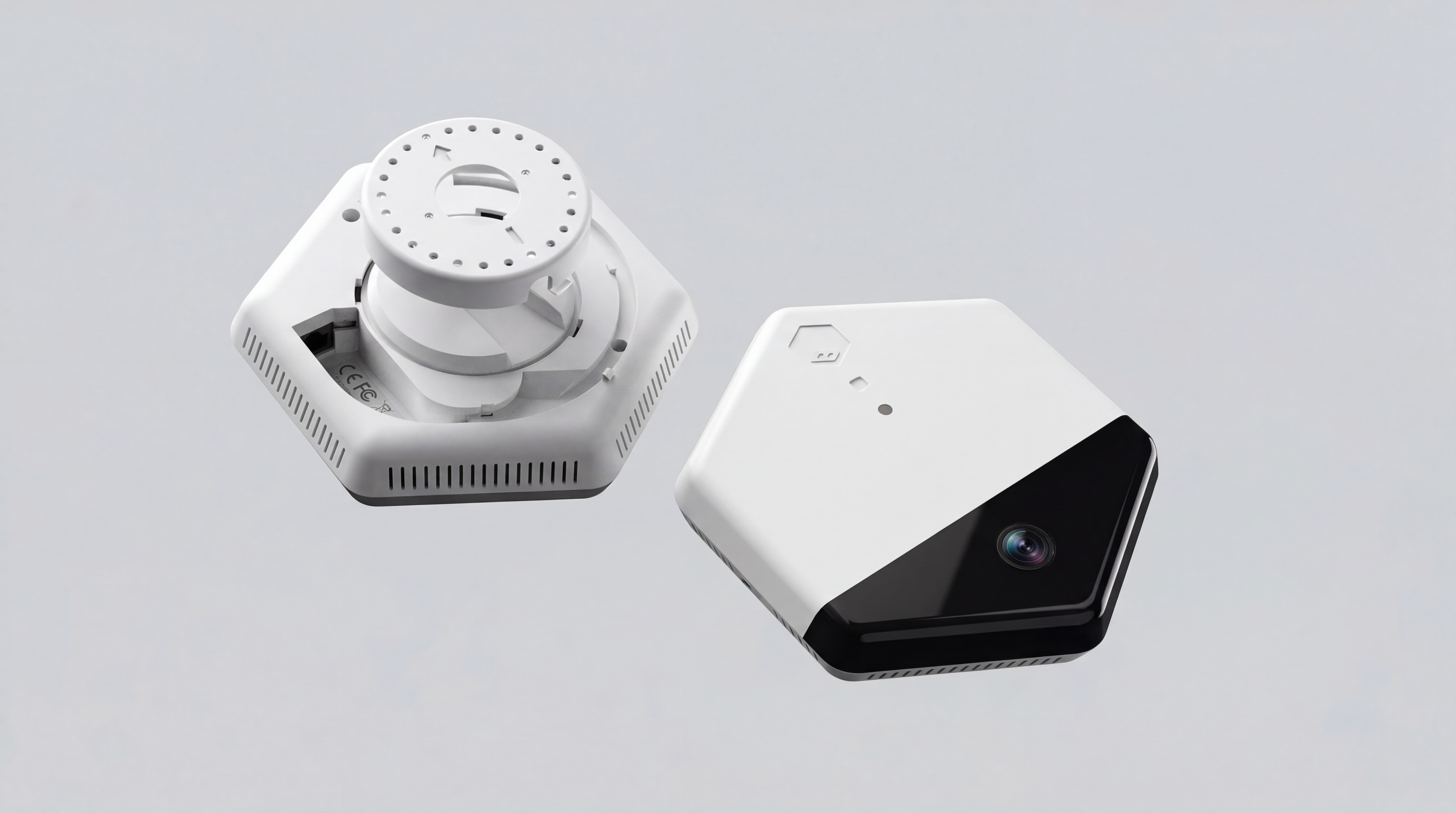
We defined a physical architecture that unified occupancy, location, asset tracking and environmental monitoring into one coherent housing. Mounting methods were refined for real buildings, not idealised plans. Form followed durability, devices that can be wiped, checked and updated without fuss.
We also supported the move into a Hardware as a Service model, where reliability and low maintenance are fundamental to the economics.
Filament turned a research prototype into a service product.
So every device earns its keep, day after day.
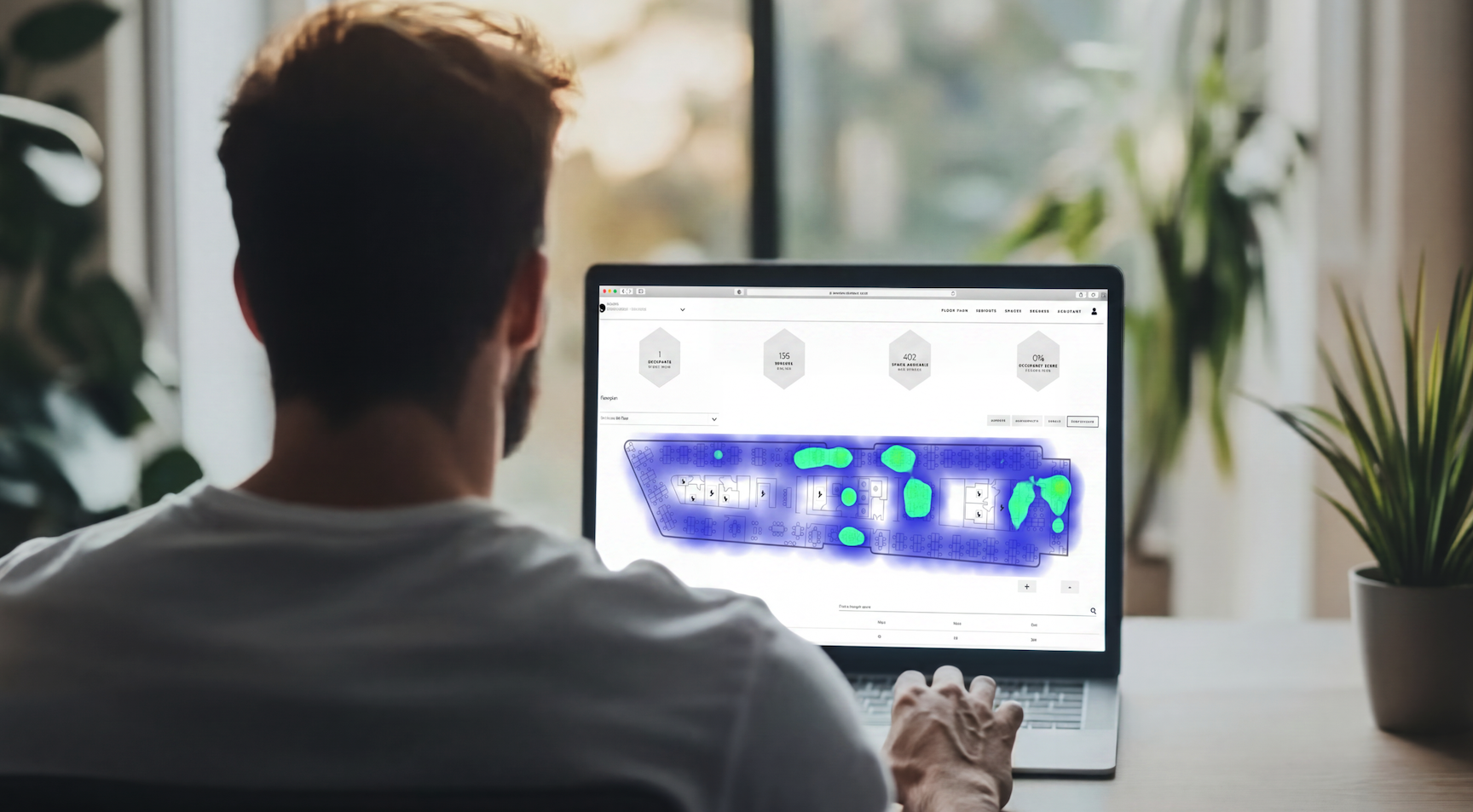
A network of devices gathers real time data on how spaces are used, how air moves and how comfortable people feel. Connectivity and Beringar’s machine learning turn those signals into patterns that teams can act on.
Instead of arguing about whether an area is busy or underused, managers can see it. Instead of guessing why people avoid a corner, they can link behaviour to temperature, light or air quality and adjust in a targeted way.
Buildings stop guessing about people.
People stop guessing about buildings.
Managers no longer argue about whether a space is underused. They can see it. They can link behaviour to temperature, light or air quality and respond with precision.
Buildings stop guessing about people. People stop guessing about buildings.


